Omega Seamaster Planet Ocean Ultra Deep Professional
The groundbreaking technology behind the record-breaking dive
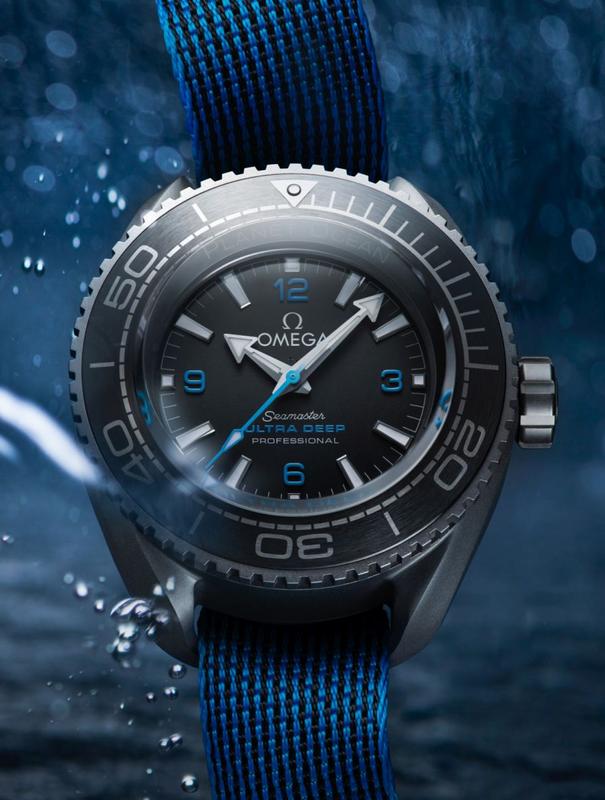
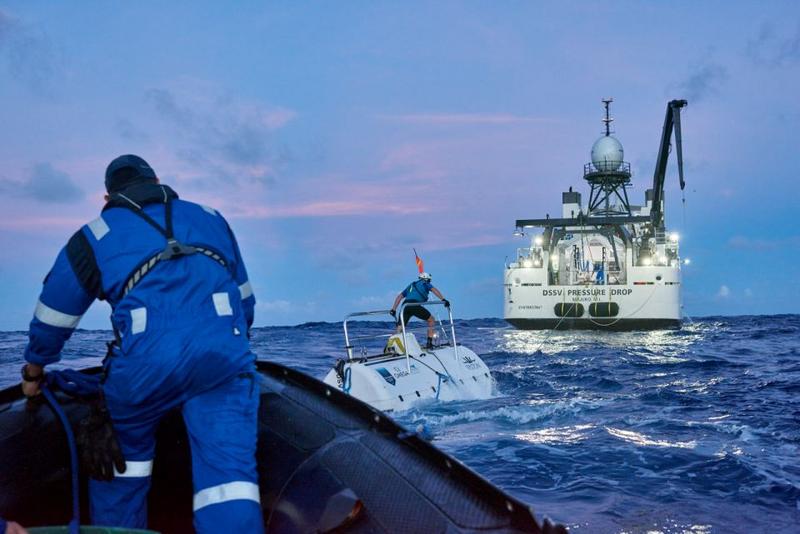
When adventurer Victor Vescovo successfully piloted his submersible Limiting Factor to the bottom of the Mariana Trench in early 2019, the 10,928m dive set a new world record. Along for the ride and performing perfectly at depth - was OMEGA's Seamaster Planet Ocean Ultra Deep Professional.
Viewport design
The design of viewports is a critical step in the development of a submersible.
The loadbearing surface of the Limiting Factor's viewports has been engineered to minimise pressure on the inside edges of the cone, where the stresses are highest.
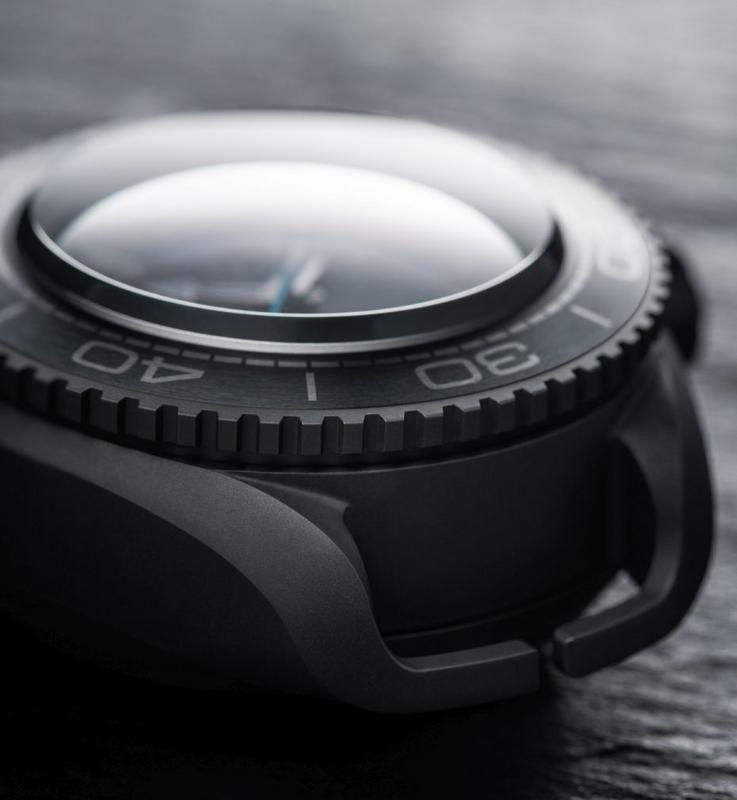
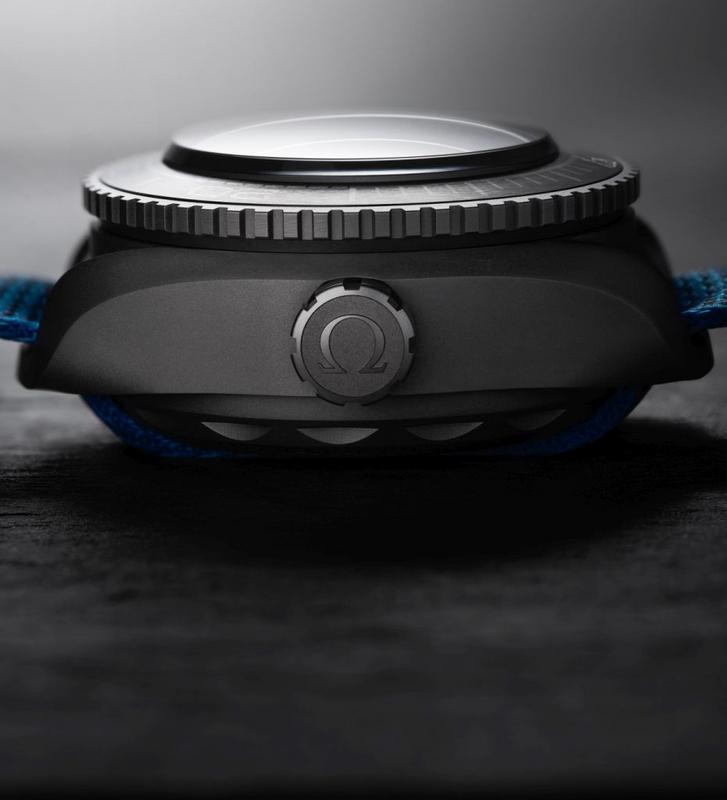
Similar to the viewport assembly on a submersible, the sapphire-to-case assembly on a full ocean depth watch is an area of concern. To spread the stress distribution, OMEGA took inspiration from this loadbearing conical design and used Liquidmetal® to ensure a firm yet flexible sapphire-to-casebody assembly. This innovative patent-pending hot form bonding made it possible to avoid the use of polymer seals and to reduce the sapphire's thickness.
The other side of Ultra Deep
The expedition logo is located at the center of the caseback inside concentric circles evoking the Multi Beam sonar technology. Relevant information including the model, reference number, materials, DNV-GL certification, and the words - tested 15,000m / 49,212ft - are all laser-engraved.
Fixed tight
Three OMEGA Seamaster Planet Ocean Ultra Deep timepieces made the dive. Two attached to the submersible's robotic arm, another to a Lander. OMEGA's choice of strap material drew on the brand's experience in space. The combination of polyamide strap and Velcro closure is closely associated with the straps used during Apollo missions.
Even tougher testing
All of the watches were pressure tested at Triton Sub's facility in Barcelona with the attendance of a DNV-GL surveyor. The chosen maximum pressure is linked with tolerances required in the Mariana Trench, but to be extra sure and to comply with dive watch standards, OMEGA insisted on adding a 25% safety margin, which meant the watches had to perform perfectly at an astonishing 1500 bars / 15,000 meters.
Having passed the Triton tests and proven their worth at the deepest place on the planet, OMEGA's Seamaster Ultra Deep watches were then subjected to the highest level of testing in the watch industry. Post-dive, all watches were put through the rigorous tests over 10 days set by the Swiss Federal Institute of Metrology (METAS). Even after their extreme underwater journey, each watch achieved Master Chronometer certification


